

The Auburn Real Food Challenge
 The Auburn Real Food Challenge
by Mollye Marrone, Auburn Alabama
The Auburn Real Food Challenge is an on-campus organization at Auburn University in Auburn, Alabama. It is composed of a group of students eager to promote the introduction of what they call “real food” into the Auburn community. The group boasts the project as ecologically beneficial, human, and a local initiative. The effort strives to reduce usage of fertilizers and pesticides, promote fair trade practices by removing the middle man, support local farmers, and eliminate water and soil waste.
The Real Food Challenge has several ongoing initiatives, including collaborating with campus dining services, building relationships with local growers, and starting a student-run garden and “real food” co-op. Dr. Charles Aldridge is a Master’s student and resident at the Auburn University Veterinary School. He recently joined the Real Food Challenge and is already reaping the benefits. “Besides enjoying the act of gardening itself,” Charley explains while tending his portion of the campus garden, “it is satisfying to put in a few hours of hard work and watch it grow. It’s like a surprise at the end of the day to see what’s ready to be picked and enjoyed.”
The group prides itself on being community-oriented, which Dr. Aldridge considers an appealing aspect of the operation. “It gives you a sense of togetherness to know you’re helping reduce consumer demand” he continues. “I think it’s important for everyone to be a part of it, especially children. It’s good for them to know where their food comes from and that it’s not just given to them; that someone has to work to produce it. Knowing how to be self-sustainable in any capacity applies to so many aspects of life, especially food, which is essential to our survival.”
Although the group is still fairly young, the Auburn Real Food Challenge continues to inspire people of all ages and with varying interests to promote such a rewarding endeavor. For students, the project has become much more than an extra-curricular activity. Not only is it essential to the well-being of the community, it provides the Auburn family with an even greater sense of solidarity and belonging.
The Auburn Real Food Challenge
Walnut slabs from the kiln yesterday
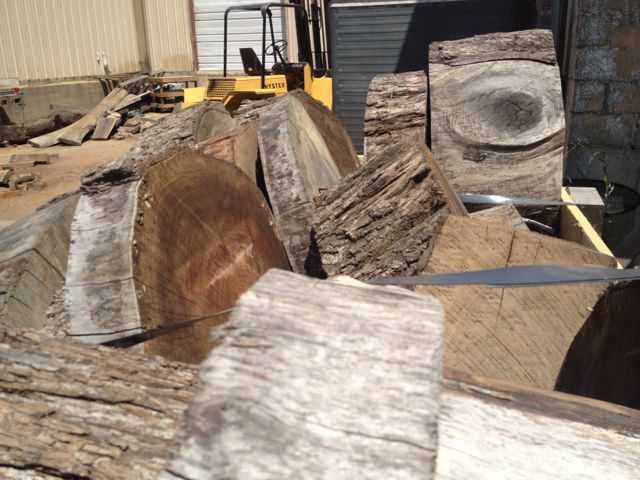 Walnut slabs from the kiln yesterday
In 2008 we purchased a few more walnut logs, but this time we cut a few of them into quite thick rounds and left the bark on. We air dried them for several years and in May of this year placed them in the kiln (offsite) for their final cure. We just received them back from the kiln yesterday and I can't wait to dive in and see what we've got here. Typically I avoid cutting rounds primarily because of the way wood shrinks resulting in lots of wedge shaped pieces of the walnut pie. These rounds seem (at first glance) to have held up a bit better. We'll see.
Walnut slabs from the kiln 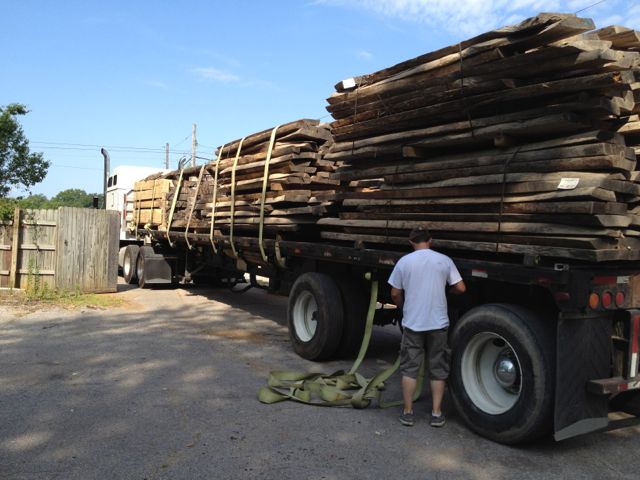 yesterday
Juicing wheatgrass with Linda's Kitchenaid Mixer
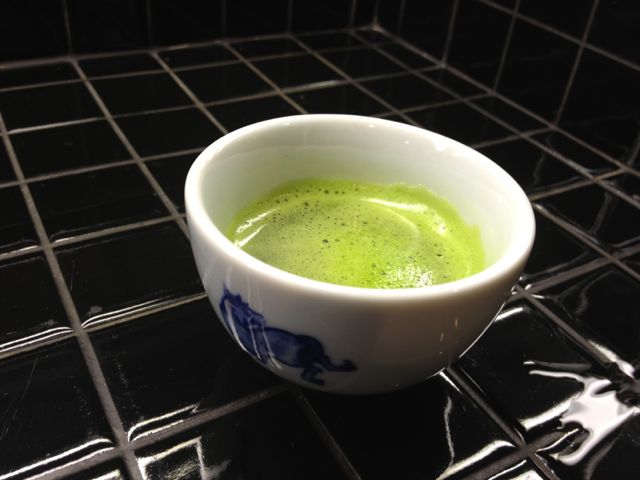 Juicing wheatgrass with Linda's Kitchenaid Mixer
I've been juicing, quite sporadically (pardon the pun) for decades, but primarily only when I'm out of town, walking past a juice bar, etc. This spring we begain sprouting wheatgrass seads, growing and in nine days juicing wheatgrass. But, it just hasn't been right. I've been using the wrong blender to juice the grass. Our Blendtec is an amazing juicer, but just not for the delicate leaves of wheatgrass. The blade rotates too fast, making too much heat, and we have to add some water for the process to work.
Linda kept saying let's try her mixer. Well, last week we gave it a shot, 
So good to be in the juice each day or so now. Love my wheatgrass juice shots.
Juicing wheatgrass with Linda's Kitchenaid Mixer
Slow Food at Sea in San Remo
 Slow Food at Sea in San Remo
by Anne Elizabeth Jordan, Paris France
San Remo is a cute little coastal village on the northwest coast of Italy. The boat I'm cooking on this summer just happens to be based here. The beautiful Mediterranean sea is shining, the green terraced hills reach into the bright sky with large fluffy afternoon clouds breaking their way over the gentle ridges. I can look out of my galley window and see the sun shining, which is so welcome after a long grey winter in Paris.
Little did I know, until this past week, that the Slow Food movement headquarters are just north of San Remo in Bra (Cueno), Italy. Carlo Petrini actually started campaign in response to fast food in 1986. If you've ever been to Italy, you can see why this would be the home of a movement called 'slow food'. The idea alone is something deeply embedded in the Italian culture. When I think of Italians and food I think of big family meals, prepared with love and eaten over hours of conversation.
The covered market in San Remo is well priced in comparison to those I visit at my home in Paris, and at first sight I thought, "Wow, they have everything!" realizing each stand is hosting seasonally available regional vegetables and fruits - a selection of tomato varieties, eggplant, basil, peaches and berries. It's zucchini season and small varieties with bright orange blossoms still attached are the pride of each stand. This is what I came for, the recipe for a cold soup and stuffed blossoms below.
Fresh zucchini soup and fried blossoms
(local ingredients if possible)
4 zucchini with blossoms attached or purchased separately
1 yellow onion
50g Local salted butter
Local unfiltered extra virgin olive oil to taste
100g Local soft cow cheese (might be hard to find in USA, goat could work as well)
20g Local cream, if possible
Salt and pepper to taste
Milk and flour for frying zucchini blossoms
Regular oil for frying, or olive oil
Cut zucchini into 1" slices and dice onion.
Heat a stock pot over medium heat and add butter to melt, then sauté onion until translucent (do not color).
Add zucchini and sauté for about 5 minutes (again, do not color), afterwards adding just enough water to almost cover.
Bring to boil, then immediately cover pot with plastic wrap or lid, reducing heat to simmer for approximately 45 minutes.
Check that flesh is tender but not falling apart then put into food processor, with half of the cooking liquid (reserve remaining cooking liquid to thin if necessary later).
Once thoroughly blended pass through a strainer to get a more smooth texture.
You can add cream, salt and pepper to taste now.
Place in bowl into refrigerator to cool.
When serving, drizzle with the unfiltered extra virgin olive oil.
Season the cheese with salt and pepper to taste.
The zucchini blossoms can now be filled with the local cheese; only fill halfway.
Dip the blossoms in milk and then gently roll into the flour, being sure to shake off as much as possible (though it's not local, if you have tempura batter it is a great substitute).
In a fry pan, fill with 1" of oil and heat to medium heat.
Make sure oil is not smoking, that means the oil is too hot and you should pull pan off to cool a bit before adding blossom.
Add the blossoms and turn about four times, letting the exterior cook to a gold color.
How you serve this dish is clearly up to your own imagination! If you have some pesto, drizzle this on top...
Buon appetito!
Slow Food at Sea in San Remo
Slow Business Models in Minnesota
 Slow Business Models in Minnesota
by Conrad Magalis, Lakeville Minnesota
What do you think when you hear the word Minnesota: Freezing cold weather, the Vikings, Bob Dylan and lutefisk, not to mention freezing cold weather! Believe it or not The North Star State is a hotbed for Slow Food culture and locally produced organic crops.
With half of the year spent indoors, Minnesotans have to supplement their health and habitat inadequacies with every outlet possible. So, eating healthy isn’t just a choice, it’s a necessity. To meet this need, many organic producers have sprung up across the state. Two of these local producers are Sandra Jean’s out of Newhaven, MN, and Tomato King from Albany, MN.
Sandra Jean’s is a local, independently owned and operated, seasonal organic producer that prizes quality over quantity. Sandra Jean’s isn’t just a cliche namesake to hint at a small scale, high-quality outfit. Sandra Jean is actually a real person who gets her hands dirty in the process of growing her specialty organic produce. Sandra Jean’s embraces what slow food culture is all about: loving food, caring about quality and local production.
Her produce can be found in co-ops (community owned grocery stores) across the state and local dining establishments like Luci Ancora, Cafe Brenda and Spoon River. Some of the produce grown by Sandra Jean’s available at my local co-op in St. Cloud, MN has included mizuna, komatsuna, arugula and baby romaine greens.
Tomato King is another small-scale, high-quality outfit based out of Albany, MN. Tomato King is an independently owned and operated business that uses organic hydroponic processes to grow their produce.
All of the water is fresh from Jeff Skalicky’s well and the minerals used to sustain the plants come from naturally occurring sources. Skalicky also uses a wind turbine to generate electricity for the growing operation. He is also in the process of implementing solar power into the operation to cut down reliance on the grid.
Tomato King’s produce is available at several co-ops and farmers’ markets throughout Minnesota. Skalicky grows heirloom variety tomatoes and cucumbers, which are delivered weekly to insure the best quality. At my local co-op, Tomato King’s offerings include beefsteak, yellow grape and red cherry tomatoes as well as English cucumbers.
Sources:
www.wedge.coop
www.minnesotacooks.net
www.sctimes.com
Slow Business Models in Minnesota
Slow Tomatoes - Rubies of the Vine 410
 Slow Tomatoes - Rubies of the Vine 410
by Lisa Martin, Greenville Texas
There is something about the taste of a genuine, slow grown tomato that takes me back in time to my grandma’s garden. Biting through the sweet-tart tomato skin, I see my grandma on her knees, weeding amongst her plants; her newly washed Keds drying on the picket posts which divided her garden from her lawn.
She knew the value of a good, slow grown tomato. Even though she would not eat them herself, she grew them in bushel loads to nourish and satisfy her family. Holding the tangy Velcro tomato stem under my nostrils, I smell all of the yesterdays that went into the development of the fruit.
The taut smooth skin covering the sweet rosy meat offers an explosion of all the goodness required to create such a precious, perfect specimen.
Those petrified tasteless objects which pass for tomatoes in most grocery stores can never compare with the conversion of sunshine and rain encapsulated within a slow grown tomato.
My rubies of the vine began life as seeds, tiny packages of promise lovingly swaddled within milk-jug cribs, as they progressed toward their first non-cotyledon growth from the earth.
As a feeble 2012 winter limped into history, my babies were erupting in my sunroom window.
Their thirst was slaked with well water and they were blanketed in Texas sunshine for many hours a day.
One overcast day in April, with the threat of spiteful freeze-over, my gems were planted in the good rich mounds of soil which had been intermingled with pungent compost from the previous year. Filling their burial chambers with life-giving well water, my Homestead tomato babies were ready to thrive.
Several hard rains threatened to cripple the vines, but the strength of nature and nurture prevailed, and my crimson babies matured until they were ready for martyrdom.
My first tomato is a tithe to all that is good in life. The vine bears incense rising up to heaven, and the warmth of the fruit in my palm is an offering, a tangible evidence of the cooperation between God and man.
Swallowing the sweetness, I savor the patience and effort signified by the fruit.
I look at my vines, beginning as emerald pebbles and then burgeoning into baseball size rubies, bursting with nutrition and life.
Before the Texas sun beats my jewels relentlessly, I will have many juicy bites of vitality hanging on those vines, awaiting my hand to pluck and possess all they have to offer.
Slow Tomatoes - Rubies of the Vine 410
Southern Food
 Southern Food
by Robin Fulcher, Spring Hill Tennessee
We southerners love sharing our food, the more the merrier! We have fish frys, pot lucks and shrimp boils where all the neighbors and friends come together and everyone brings their best, trying to outdo each other. Competition brings out the best in us and believe me, there are no losers. Everyone wins as we sit down, thankful for what we are about to partake in: a festival of taste, smell and sound. The whistle of sucking on crawfish heads, the sizzle of hot grease as a load of fresh catfish goes in, the rhythmic pounding while shredding pulled pork. Right from the garden, lake, river or woods, we like our food fresh. This is why southerners are known for their great food. The South issues more hunting and fishing licenses than any other part of the country. We love the pursuit of being a part of nature.
Everyone has at least one tried and true recipe that has been passed down through the generations. I know that if my house were on fire, I would grab my old folder of handwritten, 3x5 recipe cards. They are speckled with bits of egg or apple cider vinegar but I would not trade them in for a clean, typed and bound book any day. When I pull one out to begin, iit feels like spirits from the past enter my kitchen to watch and judge my efforts, hopefully giving a nod my way. I often wonder how my ancestors did it. My most cherished recipe goes back to the signing of the Declaration of Independence, which was written by southerners – one of whom was my ancestor Josiah Bartlett. His wife made tea cake cookies which family legend says were Thomas Jefferson’s favorite. I have a Kitchenaid mixer, nonstick silpat pads and an oven I can adjust by 5 degrees. She made them by hand and cooked them in a wood-burning stove…unbelievable!
Cooking fills the senses. It allows you to start and finish something, beginning to end, plus you get to eat your hard work. There is an art to knowing when something is done and ready to be enjoyed and shared by all. Nothing makes us happier than sitting down at a long table covered with big bowls and plates of every type of food imaginable (and preferably straight from the backyard). We saved a spot for you, so come on down for a visit.
Southern Food
Advantages of a Seasonal Diet
 Advantages of a Seasonal Diet
by Lauren Foote, Plano Texas
What would an average American say to saving thousands of dollars annually while improving their health? Starting a seasonal diet may be advantageous for many Americans not only due to grocery cost reduction, but also for the body’s overall health. Buying groceries in season is not only about the purchase of crops that are fresh and local, but also acquiring groceries in bulk at peak ripeness, which means lower costs for the average American. Locally grown, seasonally prevalent foods taste better because they are not grown in some hot house, or shipped across the ocean. They are foods that are meant to be in the supermarket. A seasonal diet is easy to follow if you are informed on what kinds of foods are naturally available in each season.
Many people neglect to consider particular crops available within each season of the year, and how eating those foods, during the specific times they are available, can help your health. In spring, we should focus on tender, leafy vegetables that represent the fresh new growth of this season. The greening that occurs in springtime should be represented by greens on your plate, including Swiss chard, spinach, Romaine lettuce, fresh parsley, and basil. In summer, stick with light, cooling foods in the convention of traditional Chinese medicine. These foods include fruits like strawberries, apple, pear, peaches and plum; vegetables like summer squash, broccoli, cauliflower, sweet peas, corn, cucumbers, tomatoes, zucchini, and green beans; and herbs and seasonings like peppermint and cilantro. As the seasons change our body demands different nutrients and fiber to keep us healthy and warm. In the fall you can find an abundance of fruits and vegetables that can help your metabolism increase when it starts getting cold outside. Some of these are squash, apples, endive, garlic, grapes, figs, mushrooms, carrot, sweet potato, and onions. These foods are good to get your body used to the weather as the heavy frost of winter begins to come over the earth. Once the winter hits you want to focus on citrus fruits, kale, radishes, turnips, and leeks. Also emphasize the more warming spices and seasonings including ginger, peppercorns, and mustard seeds. All of the animal foods fall into the warming category including fish, chicken, beef, lamb, and venison.
There are some crazy diets out there, most directed only at the acceleration of making a person thinner. Those diets put no concern into what this rapid decomposition can do to your body. Most of those diets are oriented towards eliminating carbs, eating only beans for two weeks, only eating green, ignoring meat completely or something as ridiculous as eating a shake for breakfast and a piece of fruit for dinner while at the same time demanding a large amount of exercise out of your now-malnourished body. That is not the goal of the seasonal diet. The goal of the seasonal diet is to focus and pay attention to what crops are available and fresh at that point in time and to build your diet around it. You will save money on items that are abundantly stocked, and it helps your body digest according to the weather and according to what it needs at the time. Your health will improve because you can enjoy that fresh strawberry smoothie in the winter and avoid the browning, out-of-season lettuce in the middle of winter, and you won’t have to subject your body to exhaustive and sometimes dangerous fad diets.
• http://findyourbalancehealth.com/2011/02/seasonal-diets-eating-for-cleansing/
• http://www.art-health.com/htmls/features/bulletin_nov04.htm
• http://www.art-health.com/htmls/features/bulletin_nov04.htm
Advantages of a Seasonal Diet
Learning about the Slow Food Movement
 Learning about the Slow Food Movement
Lindsey Thomas, Charleston West Virginia
When I found out that this week’s theme here at Robin Wade was Slow Food, I had no idea what is was. I wondered, was the Slow Food movement something like the vegetarian or even the raw food movements? I live in West Virginia; those movements haven’t quite hit here in the same way that they’ve hit places like California or New York, and I had never heard of the Slow Food movement until I started this internship. Thus, I needed to do some research- one of my favorite things to do- to figure out what exactly “slow food” means.
The first website I checked out was Slow Food USA, a national organization with chapters across the country that sets out to promote access to locally grown and sustainable food, as well as a belief that “everyone has the right to good, clean, and fair food.” That gave me the gist of what Slow Food was all about, but it didn’t really give me a good understanding of what Slow Food was at all, so I needed to dig deeper.
I then looked into the Slow Food movement’s international website, Slow Food. According to this site, this movement was founded in 1986, when the Arcigola association was founded in Italy. Note: Wikipedia’s Slow Food page says that it was founded in 1986 by Carlo Petrini, who headed the Arcigola group which tried to stop McDonald’s from building a chain at the foot of the Spanish Steps in Rome.
From there, I learned that the Slow Food movement isn’t just about giving everyone “the right to good, clean, and fair food.” The Slow Food movement is all about bringing food back to how it was before fast, processed food became so popular, to when food was locally grown and sustainable. Slow Food practitioners also believe in protecting the heritage, traditions and cultures of food and the grassroots ideology of accessible and reasonably-priced food for all, so that everyone can eat a healthful diet. The Slow Food movement also fights for small-scale producers to make sure that they, too, get fair wages and treatment, especially by governments. People who follow these ideals shop for their food at farmers markets or buy directly from those who grow the food. They avoid processed food, meaning that going to McDonald’s for a Big Mac is out of the question.
The Slow Food movement has over 1300 chapters across the globe, in countries from the United States, Canada, China, Japan, India and even Chad and Niger. All of these smaller groups combined have over a hundred thousand members who all strongly believe in preserving food’s rich history, natural state and clean, safe food for all. These chapters participate in activities like presideria projects (sustainable food production), taste and food education presentations within their communities, and organizing events like Slow Fish and Salone del Gusto.
Slow Food isn’t just about making food accessible and healthy for all; Slow Food rejects mass produced, processed food and consumerism through big box grocery stores in order to retain traditions and heritage while they support local farmers. Slow Food is an attempt to return the state of food back to where it was before it became overly manufactured while making food fun, healthy, and enjoyable once more.
Learning about the Slow Food Movement
What is Slow Food?
 What is Slow Food?
Greg Smith, Schuyler Virginia
Evolution is one of the slowest production factories known. However, our first and foremost teacher, Nature, shows us that anything good is done SLOW.
Take, for instance, this week’s recognition of Slow Food. We here at RWF are honoring the the works of the many conviviums (local slow food chapters) around the world who are stewarding the uses of Nature’s processes that bring to our palates succulent flavors that only Mother Nature can produce. What is Slow Food? Click the link and enjoy the treasure trove of information on this preservation for those who are truly addicted to food.
This collection of conviviums works to preserve the tasty morsels that could be pressed out of existence by standardization of taste, convenience, and the people who don’t want to slow down.
In short, Slow Food was started to preserve local food traditions. City lifestyles lead to a deterioration in the appreciation of the vast amount of effort that communities and cultures have put forth in order to continue their distinct culinary practices. This is now going further than just cities.
Visiting the Slow Food website, one will find many reasons to leave his or her seat and to a garden! Oh, to taste the freshest flavor of a tomato, arugula or kale! But I digress.. Now the question is: how does this equal fun?
Fun is enjoyment, is entertainment, is amusement. As a gastronomist I know that food is fun. But I have to ask you... do you perceive fast food as fun? Well to us at RWF, slow is divine, and in order to continue using the teachings from our master designer, Nature, we partake in the honoring of the works of Carlo Petrini, Alice Waters, our beloved Robin Wade and innumerable others who believe in the power of slow practices.
Whether you are learning about Slow Food or checking out the latest Slow Food recipe, let your mind wander to all things that you do slowly, and that are of great pleasure, then slow it down a little more... bit by bit!... GOOD!
What is Slow Food?
Karikol Slow Food Bruxelles
 Karikol Slow Food Bruxelles
by Richard Harris, Brussels Belgium
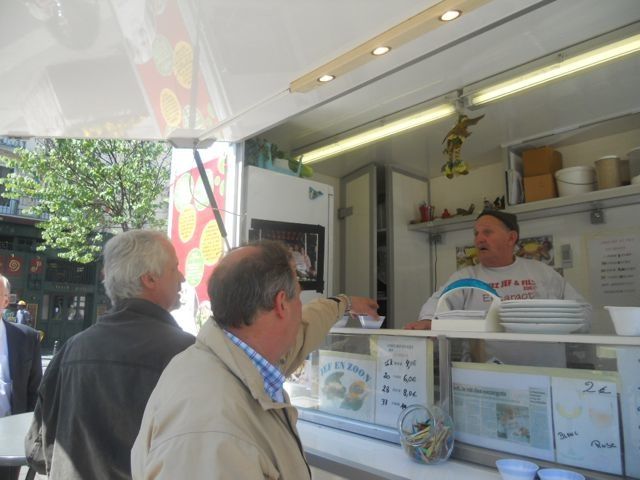
A snail is a snail is a snail? Unless it's a karikol, of course. What's that? Anyone connected with the slow food movement is familiar with the international organization's logo: a handsome red snail that symbolizes taking it easy and taking time to grow, prepare and eat healthy food. In Brussels the movement is represented by Karikol Slow Food Bruxelles. A karikol is a whelk, otherwise known as a sea-snail, and is a traditional street 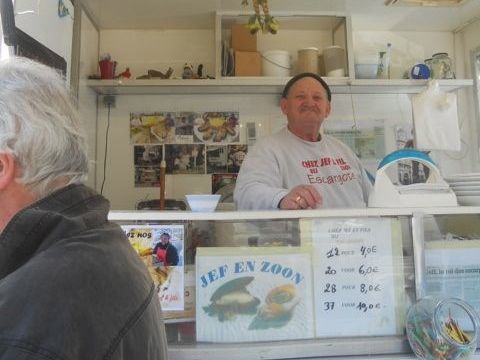
Over five hundred years ago, when the Willebroek Canal was built to connect Brussels to the sea, large fishing boats 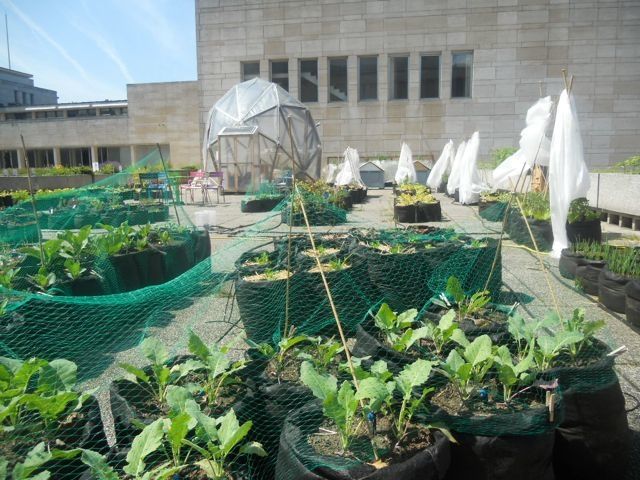
Karikol engages in many activities including connecting small growers with restaurateurs and consumers, educating the public, promoting urban vegetable gardens, highlighting the wide variety of cuisines available in the city, creating permanent organic public markets and children's programs. Among these is a program to strengthen the growing city-wide production of honey. Since Brussels is 50% open space (composed of forest, farmland, parks and private gardens) and pesticide use is forbidden within city limits honey bees have not only a safe environment but a multitude of different types of flowers to harvest. Karikol has helped Brussels honey to become a hot item. With their support more and more hives are being set up and different types of honey are being produced based on the available flora in each area.
In September they organize a week called TasteBrussels during which almost 100 restaurants feature slow food menus. The week includes open house tours of artisans, organic producers, and related small businesses, films, conferences and how-to sessions. Their close work with Bruxelles-Environnement has led to development of a “My Easy Vegetable Garden” kit which contains four types of seed and all the info necessary to set up a garden. The kit is offered by the city free to anyone interested. The pitch: 1 sq. yd. and one half hour of work per week equals 22 lbs. of harvested vegetables. They hope to double the number of people growing their own in the city.
Slowly but surely, this Karikol is getting results.
Karikol Slow Food Bruxelles
Monterey Bay Aquarium's Seafood Watch
 The Monterey Bay Aquarium was founded in 1984 and its design is informed by the area's sardine canning historyMonterey Bay Aquarium's Seafood Watch
by Brendan Thompson, Pacific Grove California
As a voracious omnivore and a native of California’s central coast, I've always been partial to seafood of all kinds. However, as an environmentally conscious designer I've also been attentive to the overfishing and pollution that plagues our oceans.
Naturally I was excited to hear about RWF's Slow Food Week celebration as it dovetails nicely with the Monterey Bay Aquarium's Seafood Watch program. Rather than a scorched-earth, “Eat no seafood” policy, Seafood Watch advocates continuing to enjoy our favorite foods, but provides resources and incentives to do so more sustainably.
Seafood Watch began in 1997 as an offshoot of a temporary exhibit at the Aquarium called Fishing for Solutions. The Aquarium took a look at its own seafood sourcing practices for its world-renowned cafe and restaurant, and ended up creating a list of recommendations for internal use. Visitor interest and low-level marketing of this list led to the Seafood Watch Pocket Guide.

For a list of nationwide and international partnerships with Seafood Watch, please click here.
For specifics on the criteria and recommendation decision-making process, please click here.
The Seafood Watch has expanded and matured in the past decade. An annual three-day gourmet celebration called Cooking for Solutions hosts big-name chefs and showcases sustainable seafood innovations. In 2007, over 9 million Pocket Guides were included with the DVD release of the movie 'Happy Feet' and in 2008 a guide to sustainable sushi recommendations was introduced. Seafood Watch has embraced social media with online versions of the Pocket Guide and a Seafood Watch app that includes a feature called Project FishMap, which allows users to post locations where they have found sustainable seafood options. The overwhelming success of the Seafood Watch initiative shows a strong consumer demand for improvements in our seafood purchasing and farming practices and the program continues to break new ground in industry innovations.
To order Pocket Guides of your own or for more information, call the toll-free Seafood Watch Hotline at (877) 229-9990 or email seafoodwatch@mbayaq.org
Monterey Bay Aquarium's Seafood Watch
From Saturday's Farmer's Market
 From Saturday's Farmer's Market
We look forward to our Saturday morning ritual of the visit to the farmer's market (with the pups) all week. We found lots more goodies, but I snagged a quick pic right after Linda laid these pieces out on our kitchen counter. Local Shiitake's, lemongrass, onions and baget.
From Saturday's Farmers Market
Carlo Petrini and the History of Slow Food
 Slow Food founder Carlo Petrini
Carlo Petrini and the History of Slow Food
by Tanya Wardell, Fort Worth, Texas
When McDonald’s opened its doors in the Piazza di Spagna, one of Rome’s central treasured historical sites, Carlo Petrini decided he’d had enough. It was 1986, and the fast food industry had been permeating the food cultures of country after country, replacing regional flavors and homegrown cooking with generic, standardized food products. Petrini, an Italian food and wine writer and connoisseur, could no longer sit by and watch food turn into a commodity, bought and sold at the cheapest price with little concern for taste or quality. He could no longer watch as people began to lose interest in what they ate and where it came from.
So, he and a group of local foodies in his hometown of Bra, Italy created an organization called Arcigola. “Our goal at the beginning,” said Petrini in an interview for Food Arts, “was simply the preservation of different food cultures as an answer to globalization and taste standardization.” The group quickly captured the attention of international food activists and aficionados, who understood that Petrini’s message and goals were relevant to the future of food cultures around the world. In 1989, Arcigola was renamed Slow Food International, and the official manifesto, declaring a “vaccine…against the universal madness of a ‘fast life’…by cultivating taste, rather than impoverishing it, by stimulating progress, by encouraging international exchange programs, by endorsing worthwhile projects, by advocating historical food culture and by defending old fashioned food traditions,” was signed.
Since the official creation of Slow Food, it has remained true to its word and the mission of Carlo Petrini. The organization launched successful branches in over 150 countries around the world, including the United States, and has the support of over 100,000 members. Slow Food, under Petrini’s guidance, founded the University of Gastronomic Sciences in 2004 as a center for research and education, dedicated to safeguarding biodiversity and sustainable farming methods. The organization works actively on campaigns to protect small farms and communities from practices such as land grabbing and seed patents, and strives to bring awareness to the benefits of a local, seasonal diet.
In 1996, Petrini coordinated the first “Salone del Gusto,” a massive event which took place in Turin, Italy and brought together chefs, activists, and communities from all over the globe to showcase their regional cuisine and discuss important issues. The gathering proved to be a huge success, and has since occurred every two years. This year, the “Salone del Gusto,” scheduled to happen in October, will be joined for the first time by “Terre Madre,” a network of Slow Food producers, chefs, students, and educators who hope to make the event one of the most important food advocacy meetings in the world.
Slow Food International believes in the vision of “a world in which all people can access and enjoy food that is good for them, good for those who grow it, and good for the planet.” Petrini, named by British newspaper The Guardian “one of the 50 people who could save the planet,” continues to be a powerful force at the forefront of the Slow Food movement. He works constantly, speaking at events, traveling to meetings, arranging projects and supporting programs which bring together communities and breathe life into the Slow Food cause.
Carlo Petrini and the History of Slow Food
Works Cited
Corradin, Roberta. “Carlo Petrini.” Food Arts, 2007.
Hickman, Leo. “Slow Food: Have we lost our appetite?” The Guardian, 2009.
“History and Mission.” University of Gastronomic Sciences.
Popham, Peter. “Carlo Petrini: The Slow Food gourmet who started a revolution.” The Independent, 2009.
“Salone del Gusto and Terre Madre 2012.” Slow Food USA Blog, 2012.
“Slow Food: Birth and Growth of an International Association.” Slow Food.
“Slow Food Manifesto.” Slow Food.
“What We Do.” Slow Food.
The Art of Slow
 The Art of Slow
by Nancy Yang, Rochester Minnesota
“Stop and smell the roses,” so the saying goes. But who has time to smell roses when we’re all so feverishly working, studying, racing to the next step in our frantic lives? To keep up requires a constant supply of instant communication, instant dinners, instant entertainment. Even the roses we smell come from the convenience store, potted and bloomed and ready for our nostrils, to save the painstaking time of having to plant them ourselves.
What is instantaneous must be good.
And if efficiency is the hero, then Art is its arch nemesis.
Deciding to become an “artist” might now be met with disdain, if not downright ridicule, mostly on the idea that unless you’re well established, there’s not much money to be made from making art. People seem to have little use for handmade when they can buy three times as much of factory-made “home décor” from the nearest Walmart or Target-- faster, cheaper, and in greater supply.
However, there has recently been a decided struggle to slow down. It began in the late 1980s, when Carlo Petrini protested a new McDonald’s franchise in a historical area of Rome. Petrini founded the Slow Food Movement, but he began a revolution that went way beyond food; it grew to encompass business practice, education, even parenting and fashion: the Slow Movement.
Central to the Slow Movement is the idea that life cannot be fulfilled by instantaneous gratification. Rather than consuming as much as possible in as little time as possible, the Movement asks that we slow down and consider our actions, how they impact ourselves and others, and how we can make the impact positive, rather than negative.
Slow Art is a part of this crusade. It includes the annual global Slow Art Day begun by Phil Terry, founder of the Reading Odyssey and CEO of Creative Good. Slow Art Day encourages venues to volunteer and set up small collections of art for slow enjoyment and discussion, as opposed to the typical high-speed, whole-gallery tours, so that visitors can take time to understand the artwork. The next Slow Art Day is scheduled for April 27, 2013.
It also includes direct opposition to the fast industry, as self-proclaimed SlowArt founder artist Tim Slowinski explains on his website: “The act of creating art is a meditation and devotion… created very slowly and deliberately” to rail against social injustice. Slowinski paints images that criticize how our society has habituated to the fast lifestyle.
But the “art” I’m talking about is more fundamental. Art itself is intrinsically “slow” in that truly meaningful art requires intense dedication; the creation of art is literally slow. Artistic expression is diluted when the goal is changed from maximizing the impact of each piece of art to maximizing the total volume of production.
Design also goes with Slow Art. According to the definition given by the New York based organization Slow Lab, Slow Design is to “exchange ideas and resources, share knowledge and cooperatively develop projects that positively impact the lives of individuals, the communities they participate in and the planet that we share.”
What Slow Design might lack in intellectual expression compared to, say, a Picasso or a Rembrandt, it makes up in the process. The beauty in Slow Design is in understanding that the materials that, for instance, are used to make Robin Wade furniture come from sustainable, local sources, and the acquisition of the materials themselves requires substantial contemplation by the maker. It’s a careful balance between satisfaction of the self—the consumer—with that of the community. It’s the beauty in a chair made from a fallen hardwood in a nearby forest; the flavor in a meal prepared from local farm products; the joy in a community gathering around and enjoying an art exhibit. It is beauty that comes from time and dedication that cannot be manufactured into a factory-made product.
Efficiency is good, no doubt; it provides higher living standards for our ever-growing human population. But it comes with sacrifices. In order to satiate our need for more, cheaper, faster—is it worth the sacrifice of the welfare of the community, the environment, and probably our own sanity?
A quote on the front page of SlowPlanet.com reads “Slow is not about doing everything at a snail’s pace; it’s about working, playing, and living better by doing everything at the right speed.” The Slow philosophy isn’t advocating laziness; if anything, living slow requires more work and effort than living “fast.”
It’s about dedicating our time—a completely human concept that we hold so sacred—for the sake of our humanity.
The Art of Slow
Carlo Petrini, founder of Slow Food International
Carlo Petrini, founder of Slow Food International
Growing Local Shitake on Oak Log


Growing Local Shitake on Oak Log
We, along with many of our contributors from across the country and world, will be celebrating Slow Food Week all week long. And, in honor of Slow Food Week, I think it's only appropriate that we talk, think, harvest, cook, eat (and digest) slow food slowly every day - all week.
One of my favorite recent local, slow finds was sitting in our hallway this morning, looking very much like one of our most beautiful works of art, and I just had to take a few quick pics. It's this small oak log with shitake growing - not so slowly lately. I purchased the log from our hydroponics friends at Shamrock Farms recently. They purchase the Shitake spores from Washington State University, then drill the logs, inject the spores, keep in a moist environment, and - wait. Most of these shitake are ready to harvest and I'm hoping to get a pic of them on the plate in the next few days.
Growing Local Shitake on Oak Log

celebrating the 145th birthday of Frank Lloyd Wright
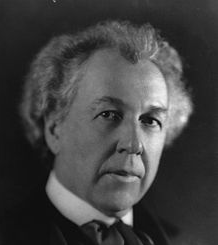 celebrating the 145th birthday of Frank Lloyd Wright
Our second annual Wright in Alabama weekend celebration will be held tonight at the beautiful Rosenbaum Museum here in Florence Alabama. I'm hoping we can make this one.